


Language
Chinese-Made Mobile DC Fast Charger for Electric Trucks
Sep 10, 2026
An electric truck's battery pack is considerably larger than a passenger EV's, which means a charging session sized for a passenger car will leave a truck driver waiting far longer than a route schedule can absorb. A mobile DC fast charger for trucks needs to deliver genuinely high power per connector, support the CCS2 standard trucks are commonly built around, and be deployable at a depot, port or route stop that may have no permanent charging infrastructure at all. MPMC's BCH series addresses this specifically through its higher-power model tiers.
Why Electric Trucks Need a Different Charging Profile Than Passenger EVs
MPMC's BCH-275-200, positioned as a compact mobile charging station, already serves electric vehicles and electric trucks through its dual CCS2 250A charging guns delivering up to 150 kW DC output, with the specific loads served explicitly listed as electric vehicles and electric trucks alongside compact machinery. For higher-throughput truck operations, MPMC's heavier-duty models extend DC output considerably further, giving a fleet operator a choice of charging speed matched to how much dwell time a route actually allows.
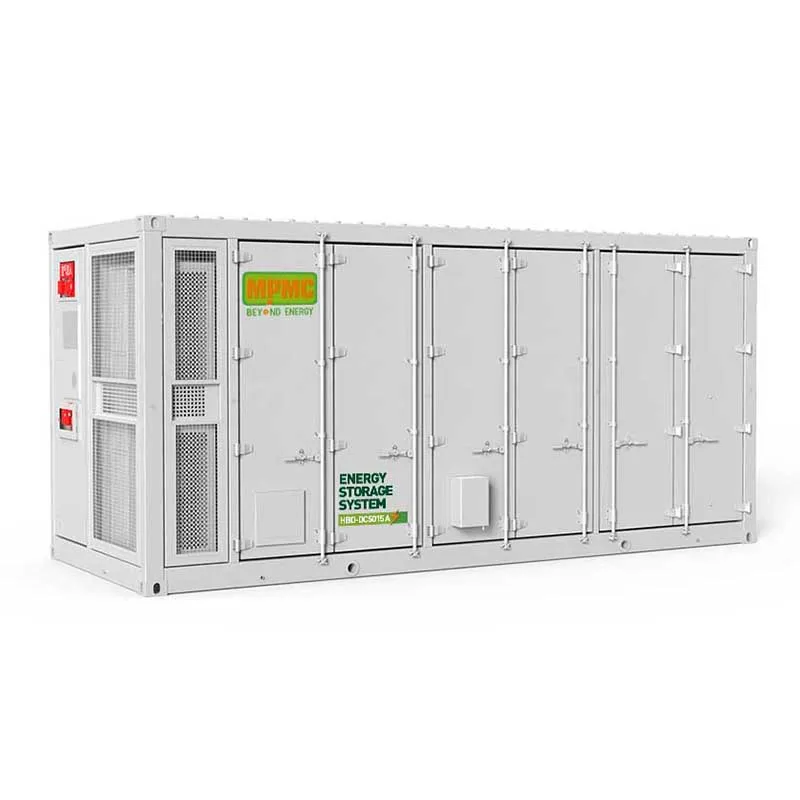
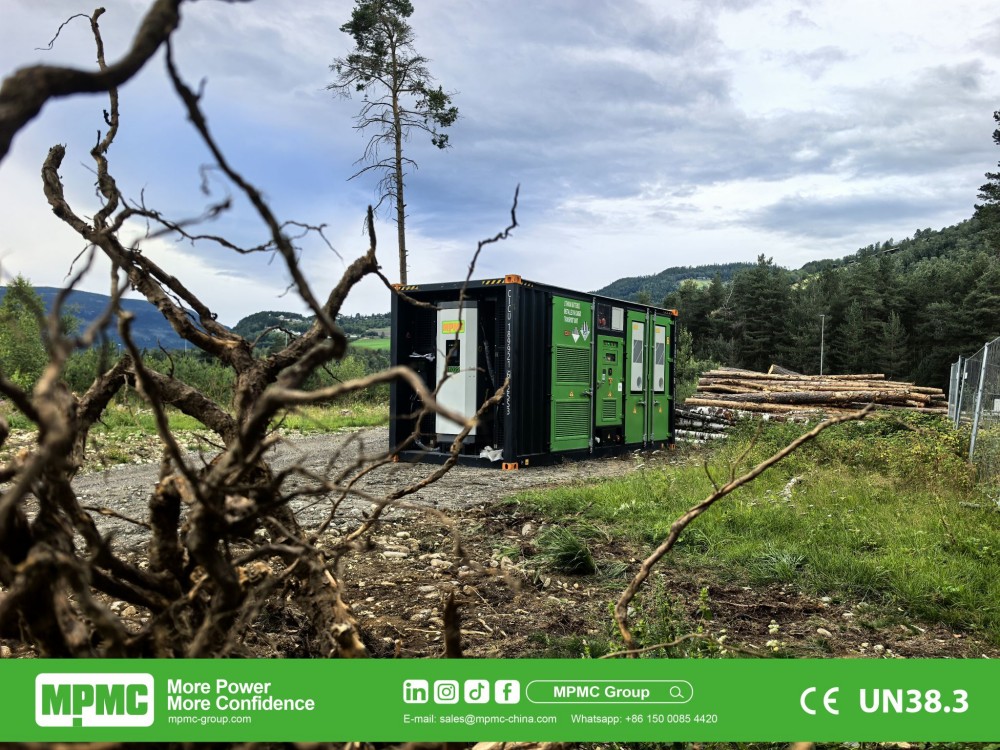 MPMC BCH-500-1000 mobile BESS charger, containerised for outdoor fast charging of electric trucks and vehicles from remote areas to rural roads.
MPMC's High-Power DC Fast Charging Models
MPMC's BCH-600-400 delivers 400 kW DC output through two CCS2 350A guns, the BCH-800-600 is documented with a DC output peak of up to 640 kW, and the BCH-500-1000 delivers 500 kW rated DC output, all three built on the same blade LFP battery platform with liquid-cooled or air-cooled architecture depending on model. The BCH-800-600 specifically adds 1C charge and discharge performance for rapid energy transfer, an explosion-proof breather for pressure relief, and a charging gun that supports simultaneous charge and discharge, features aimed at exactly the high-intensity, high-throughput duty cycle a truck depot or port charging point creates.
| Model | DC Output | Connectors |
|---|---|---|
|
BCH-275-200 |
150 kW |
2× CCS2 250A |
|
BCH-600-400 |
400 kW |
2× CCS2 350A |
|
BCH-800-600 |
600 kW, up to 640 kW |
2× CCS2 350A, 1C charge/discharge, explosion-proof breather |
|
BCH-500-1000 |
500 kW |
2× CCS2 350A |
Fast Recharge From the Grid Side Too
A mobile charger is only as useful as how quickly it can recharge itself between serving vehicles. The BCH-275-200 and above support CCS2 DC input for recharging from an existing fast-charging station, with the BCH-275-200 reaching a full charge in approximately one hour via this DC input path, in addition to standard AC input from grid, genset, solar or battery sources. For a depot with intermittent access to a fast-charging connection nearby, this dual-direction CCS2 capability — charging trucks out of one connector while recharging from another — is what keeps a single mobile unit in continuous service rather than sitting idle during its own recharge cycle.
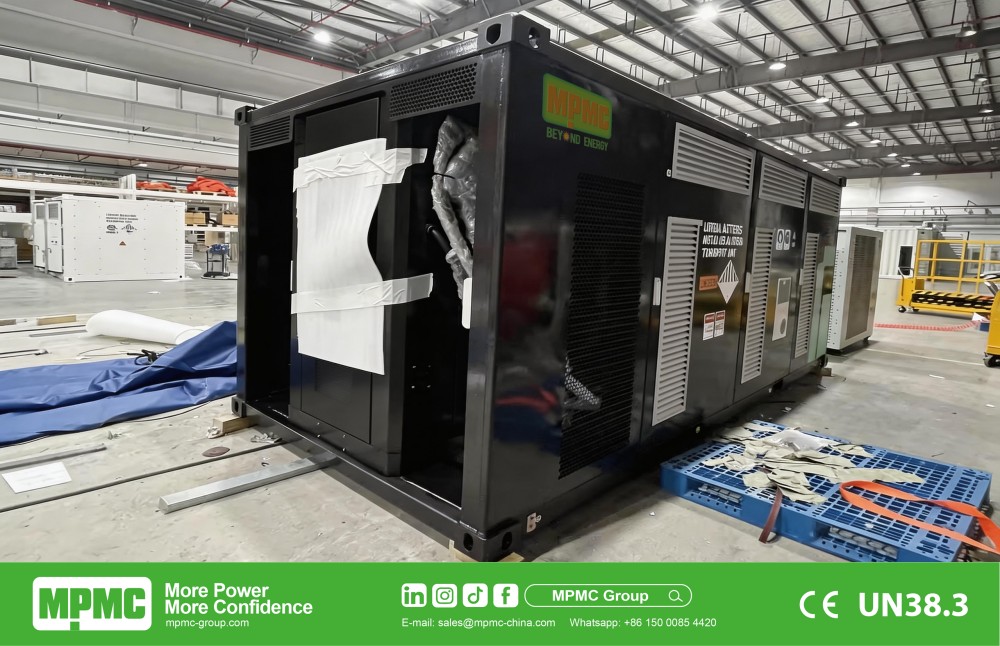 MPMC BCH-800-600 mobile BESS charger, built for high-intensity DC fast charging duty.
Connector Standards Across Different Truck Markets
CCS2 is the standard connector across MPMC's BCH range, but electric truck fleets are not built to one global connector standard, and MPMC offers optional CCS1, GB/T and CHAdeMO connectors for specific markets alongside the standard CCS2 configuration. A fleet operator running trucks built to a different regional charging standard, or planning to deploy the same mobile charger across markets with different truck specifications, should confirm which connector options are actually available on the model being quoted rather than assuming CCS2 compatibility covers every truck in the operation.
A Documented Truck and Heavy-Vehicle Charging Deployment
MPMC's UK deployment of eight BCH-275-200 units addressed a logistics operation where electric trucks running 4-hour port routes had previously faced 10-hour charging cycles due to a weak local grid; pairing the BCH units with solar infrastructure removed that bottleneck. At the heavier end of the range, MPMC's Norway deployment — a 2 MWh BCH-500-1000 system at 500 kW per unit, 1,000 kWh capacity, and CCS2 output at 360 kW/400A — demonstrates sustained high-power DC output for heavy vehicles and construction machinery operating with no grid access at all.
Specifying a DC Fast Charger for a Truck Operation
• Match the charger's DC output (150 kW, 400 kW, 500 kW or up to 640 kW) against the truck battery size and the dwell time the route actually allows
• Confirm the number and current rating of CCS2 guns needed to charge multiple trucks without excessive queuing
• Ask whether the unit supports CCS2 DC input for its own fast recharge, not only AC input from grid or genset
• Confirm whether simultaneous charge-and-discharge operation is available if the depot needs to charge and recharge the unit in parallel
• Request a documented reference from a comparable truck or heavy-vehicle charging deployment
• Check the warranty terms in total-output form against the truck operation's expected daily throughput
Recent Posts


Contact US
Product Information
Quantity
Unit
Piece
Support order samples, customization, wholesale direct, and complete payment. If the product you look for does not have corresponding customized content, pls fill out the form below to contact us, and we will reply ASAP.