


Language
What C&I BESS Can Help Factories Reduce Electricity Costs Through Peak Shaving and Load Shifting?
Sep 10, 2026
A factory's electricity bill is shaped by two separate mechanics that a battery energy storage system can address in different ways: peak shaving, which reduces the single highest demand figure the utility bills against, and load shifting, which moves consumption away from higher-priced time-of-use periods into cheaper off-peak windows. A factory evaluating a C&I BESS purchase should be clear on which mechanic is driving most of its actual bill before sizing a system around either one alone.
MPMC's HBD-A Series for Factory-Scale Peak Shaving
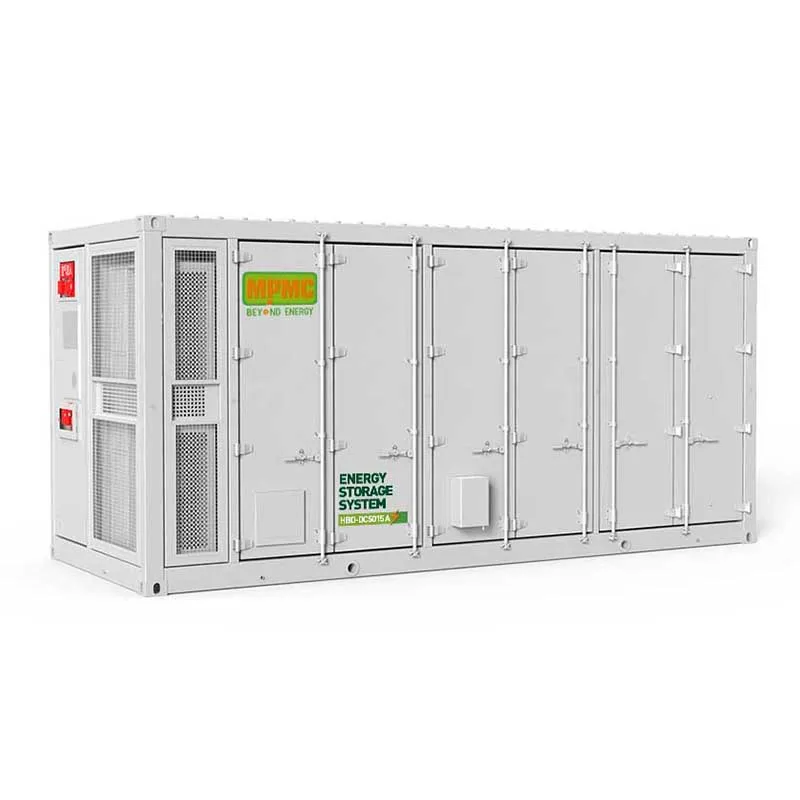
MPMC's HBD-A Series (125 kW–1,125 kW AC output, 261 kWh–2,170 kWh, liquid cooling, 8,000 cycles at 90% depth of discharge, LFP 314Ah cells) is positioned as the primary product for this application, with the EMS charging the battery during off-peak hours from grid electricity and discharging during peak demand periods to reduce the maximum kW draw the utility actually bills against. This is a direct mechanical response to a demand-charge tariff structure rather than a general efficiency improvement, which is why sizing it against the factory's actual peak profile matters more than sizing it against total energy consumption.
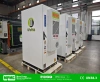
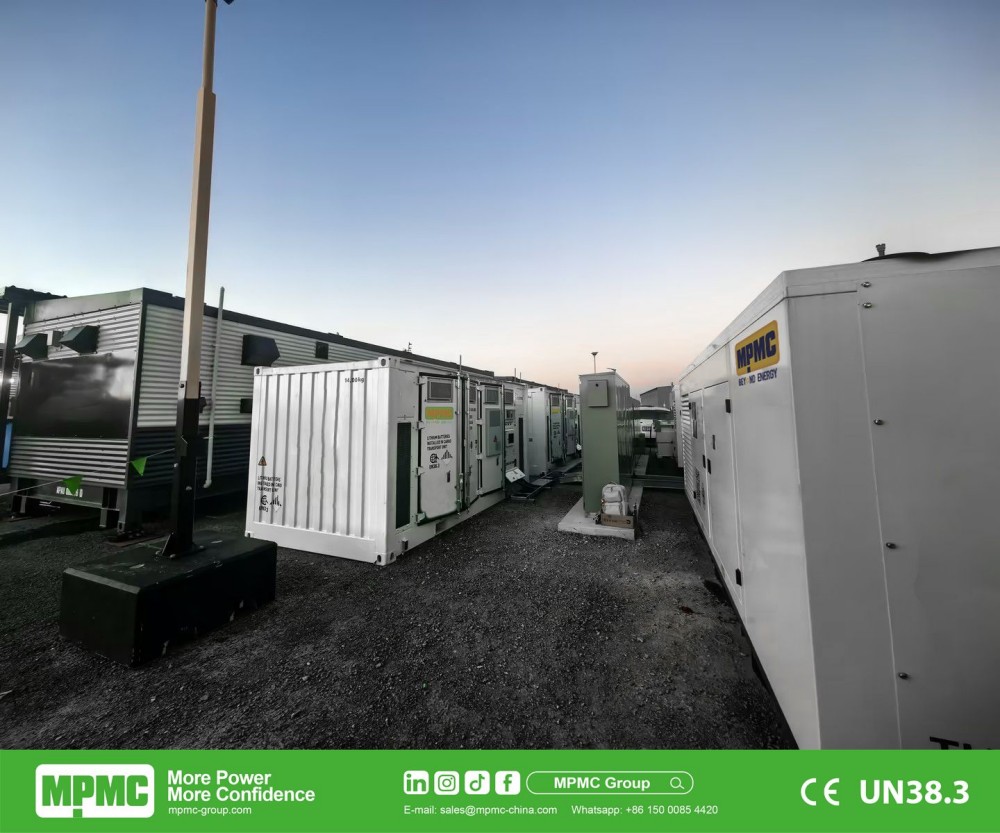 MPMC HBD-A Series containerised battery energy storage units deployed at an industrial facility for peak shaving and load management.
A Documented Factory-Scale Result
MPMC's Dubai off-grid concrete batching plant deployment, combining an HBD-500-1000 unit with three 500 kVA gensets, is documented as delivering an estimated 20% operating expenditure reduction through this peak-shaving mechanism. A factory evaluating a similar investment should treat this documented outcome as a reference point for what a well-sized deployment can realistically achieve, while recognising that the actual saving at any given factory depends on how peaked its own demand profile is to begin with.
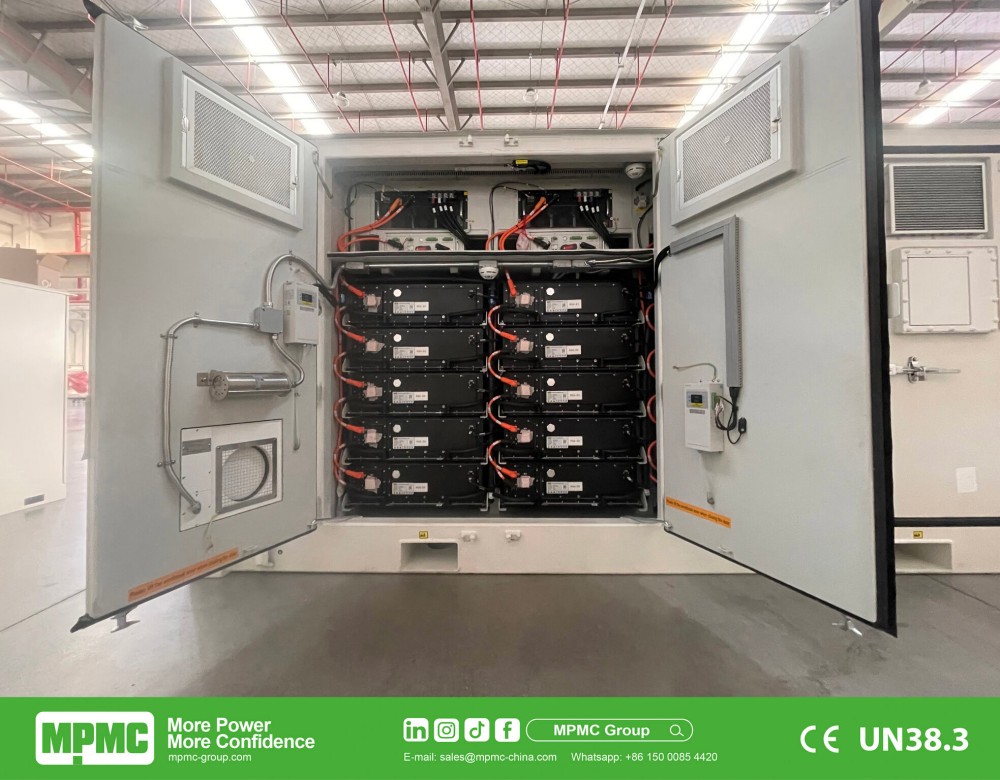 Interior view of an MPMC HBD-A battery module cabinet, showing the LFP cell architecture behind the factory-scale peak-shaving deployment.
Load Shifting Alongside Peak Shaving
Where a factory's tariff structure includes a meaningful gap between on-peak and off-peak per-kWh pricing, rather than only a demand charge, the same HBD-A battery can be scheduled through the EMS to shift consumption from expensive daytime production hours into cheaper overnight charging, independent of whether a specific demand peak is actually being shaved at that moment. A factory operating multiple shifts should confirm with its supplier that the EMS dispatch logic accounts for both mechanisms together, since optimising purely for peak shaving can leave load-shifting savings unclaimed if the two are not coordinated in the same schedule.
For a factory already running rooftop solar, or planning to add it, the HBD-A stores excess midday solar generation and delivers it during the evening demand peak, adding a third saving mechanism on top of peak shaving and load shifting. A factory pursuing all three mechanisms together — demand-charge reduction, tariff-driven load shifting, and solar self-consumption — through one coordinated EMS schedule generally captures a larger combined saving than pursuing any single mechanism against a system sized for that mechanism alone.
| Mechanism | How It Reduces Cost |
|---|---|
|
Peak shaving |
EMS charges the battery off-peak and discharges at peak to reduce the maximum kW billed |
|
Load shifting |
Moves consumption from high time-of-use periods into cheaper off-peak windows |
|
Solar self-consumption |
Stores midday PV generation and releases it during the evening demand peak |
Grid Frequency Regulation as a Secondary Benefit
The HBD-A's millisecond-level response to grid frequency deviations, supported through PQ, VF, and VSG control modes, gives a factory connected to a less stable grid an additional layer of protection against voltage fluctuations that can otherwise damage sensitive production equipment, alongside the direct cost-reduction mechanisms. This is documented at scale in MPMC's Hungary 8 MWh system, which combines frequency regulation, peak shaving, and load balancing within a single deployment.
Anti-Corrosion and Environmental Durability for Industrial Sites
MPMC's HBD-A enclosures are built to a C4 anti-corrosion standard as part of the same containerised engineering approach applied across MPMC's generator set and BESS product lines, relevant for a factory site with airborne particulates, chemical exposure, or coastal humidity that would accelerate enclosure wear on a less durable system. A factory operator should confirm the anti-corrosion rating against its own site's specific environmental conditions rather than assuming a standard rating covers every industrial setting equally.
Specifying a C&I BESS for Factory Cost Reduction
• Obtain your factory's actual demand-charge and time-of-use billing history before sizing the system
• Confirm the EMS dispatch logic coordinates peak shaving and load shifting together, not as separate functions
• Request documented results from a comparable factory-scale deployment
• Confirm the system can integrate with existing or planned rooftop PV through the same EMS
• Ask whether the capacity can be expanded later if production demand grows
• Confirm the warranty terms in total-throughput form against your expected daily cycling frequency

Recent Posts

October 26, 2016
The Most Successful Engineering Contractor
Oct 22, 2026
Chinese Liquid-Cooled Battery Energy Storage Brands



Contact US
Product Information
Quantity
Unit
Piece
Support order samples, customization, wholesale direct, and complete payment. If the product you look for does not have corresponding customized content, pls fill out the form below to contact us, and we will reply ASAP.